Reversing Cardiometabolic 
Disease Guide

What Your Doctor Isn't telling you about Heart Disease

The Cardiometabolic Truth: What Your Doctor Isn't Telling You About Heart Disease

A Functional Medicine Guide to Understanding and Reversing Metabolic Dysfunction

Introduction: The $200 Billion Lie

Let me be direct with you.

Heart disease and stroke kill more Americans than any other cause—claiming over 877,000 lives annually. That's one death every 36 seconds.[^1] Cardiovascular disease is responsible for 1 in every 3 deaths in the United States, costing our healthcare system over $400 billion each year.[^2]
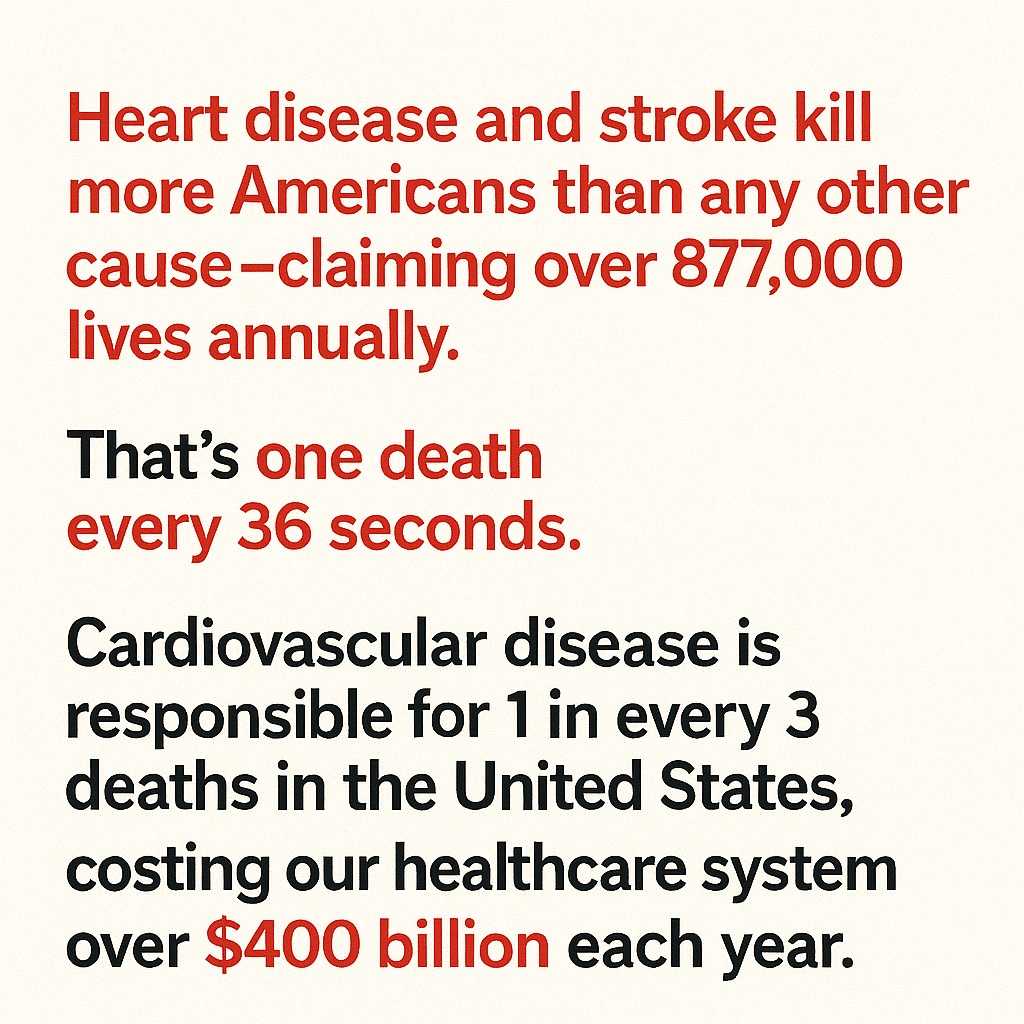
Heart Disease Deaths

Stroke is the number 5 cause of death and the leading cause of serious long-term disability in America.[^3] Every year, more than 795,000 people in the US have a stroke—that's someone having a stroke every 40 seconds.[^4] Of stroke survivors, 31% require assistance with daily activities, 20% require institutional care (nursing homes), and stroke reduces mobility in more than half of survivors age 65 and over.[^5]

These aren't just statistics. They're your parents, your siblings, your friends, your future. Heart attacks that could have been prevented. Strokes that steal independence and dignity. Years spent in nursing facilities because metabolic disease destroyed cardiovascular health.

This is serious. This is life and death. This is your quality of life in your 60s, 70s, and beyond.

And here's what makes it even more infuriating: We've been told for 70 years that lowering cholesterol—specifically LDL cholesterol—was the key to preventing all of this.

Billions spent on statins. Millions of people medicated. Entire dietary guidelines built around the cholesterol hypothesis.

Yet heart disease remains the number 1 killer. Stroke remains the number 5 killer and leading cause of disability.

If lowering cholesterol was the answer, why are we still dying at the same rate? Why are nursing homes still filled with stroke survivors? Why hasn't the cardiovascular disease epidemic been solved?

Because the story you've been told about heart disease is incomplete at best, and dangerously misleading at worst.

You've been told that cholesterol is your enemy. That saturated fat will kill you. That you need to eat "heart healthy" seed oils and whole grains. That if your cholesterol is "high," you need a statin—period.

Here's what they didn't tell you:

A 2009 UCLA study analyzed 136,905 heart attack patients and found that nearly 75% had cholesterol levels considered "normal" by current guidelines.[^6]

Read that again.

Three out of four people who had heart attacks would NOT have been flagged as high-risk based on their cholesterol numbers.

They followed the guidelines. They lowered their cholesterol. They still had heart attacks.

So if it's not the cholesterol... what is it?

The answer is metabolic dysfunction—and it's destroying your cardiovascular system right now, whether your cholesterol is 150 or 250.

This guide will show you:

  • What's REALLY causing heart disease and strokes (hint: it's not butter)
  • Why your "normal" cholesterol means almost nothing
  • The simple tests that actually predict heart attacks and strokes
  • How to reverse metabolic damage starting today
  • Why inflammation is the real enemy
  • How to avoid becoming another disability statistic

This isn't about living in fear. It's about understanding what's actually happening in your body so you can prevent the heart attack, the stroke, the nursing home, the disability, the premature death.

Let's get into it.

Part 1: The Cholesterol Con—Why Everything You Know Is Wrong

The Hypothesis That Won't Die

In the 1950s, a scientist named Ancel Keys proposed that dietary fat, particularly saturated fat, raises cholesterol and causes heart disease.

His "research" was cherry-picked data from 7 countries that supported his hypothesis—while ignoring data from 16 other countries that contradicted it.[^7]

But it was sexy. It was simple. And it launched a 70-year campaign against fat that has made us sicker than ever.

The result?

  • Fat was demonized
  • Carbs and sugar replaced fat in "healthy" products
  • Seed oils became "heart healthy"
  • Statins became the most prescribed drug in America
  • Heart disease remained the #1 killer
  • Stroke remained the #5 killer and #1 cause of disability
Heart Disease Timeline

The Data They Don't Show You

Fact #1: The Framingham Heart Study—the longest-running cardiovascular study in history—found that people who ate the most saturated fat, the most cholesterol, and the most calories weighed the least and were the most physically active.[^8]

Fact #2: Multiple studies show no correlation between saturated fat intake and heart disease risk.[^9][^10]

Fact #3: Countries with the highest saturated fat intake (France, Switzerland) have among the lowest rates of heart disease—the "French Paradox" they can't explain.[^11]

Fact #4: When you lower cholesterol too much (below 160), all-cause mortality INCREASES.[^12] Low cholesterol is associated with higher rates of cancer, depression, suicide, and infectious disease.

So if cholesterol isn't the problem... what is?

Part 2: Understanding Metabolic Dysfunction—The REAL Cause of Heart Disease

What Is Metabolism?

Your metabolism is the process by which your body converts food into energy.

When you eat:

  1. Carbohydrates are broken down into glucose (sugar)
  2. Glucose enters your bloodstream
  3. Insulin is released to shuttle glucose into cells
  4. Your cells burn glucose for energy (or store it as fat)

When this system works properly, you have:

  • Stable blood sugar
  • Clean energy production
  • Minimal inflammation
  • Efficient fat burning
  • Healthy cardiovascular function

When this system breaks down (metabolic dysfunction), you get:

  • Insulin resistance
  • Elevated blood sugar
  • Chronic inflammation
  • Oxidative stress
  • Fat accumulation in organs
  • Small, dense LDL particles
  • Heart disease and stroke

The Metabolic Cascade: How It All Falls Apart

Here's how it happens:

Step 1: Excess Carbohydrates & Sugar

You eat a standard American diet loaded with:

  • Refined carbs (bread, pasta, cereal)
  • Sugar (soda, desserts, "healthy" granola bars)
  • Seed oils (processed foods, restaurant meals)

Step 2: Blood Sugar Spikes

Your blood glucose surges. Insulin floods your system to bring it down.

Step 3: Insulin Resistance Develops

Over time, your cells stop responding to insulin. Your pancreas produces MORE insulin to compensate.

Now you have:

  • High blood sugar
  • High insulin
  • Chronic inflammation

Step 4: Metabolic Chaos

Your body can no longer efficiently turn calories into energy, so:

  • Glucose stays elevated in your blood
  • Triglycerides rise
  • LDL particles become small and dense
  • HDL drops
  • Inflammation spreads
  • Arterial damage begins

Step 5: Heart Disease and Stroke

Your damaged, inflamed arteries attract cholesterol to repair the damage. The cholesterol gets oxidized. Plaque forms. Blood clots develop.

Heart attack. Stroke. Disability. Nursing home.

But they blame the cholesterol.

It's like blaming firefighters for starting fires because they're always at the scene.
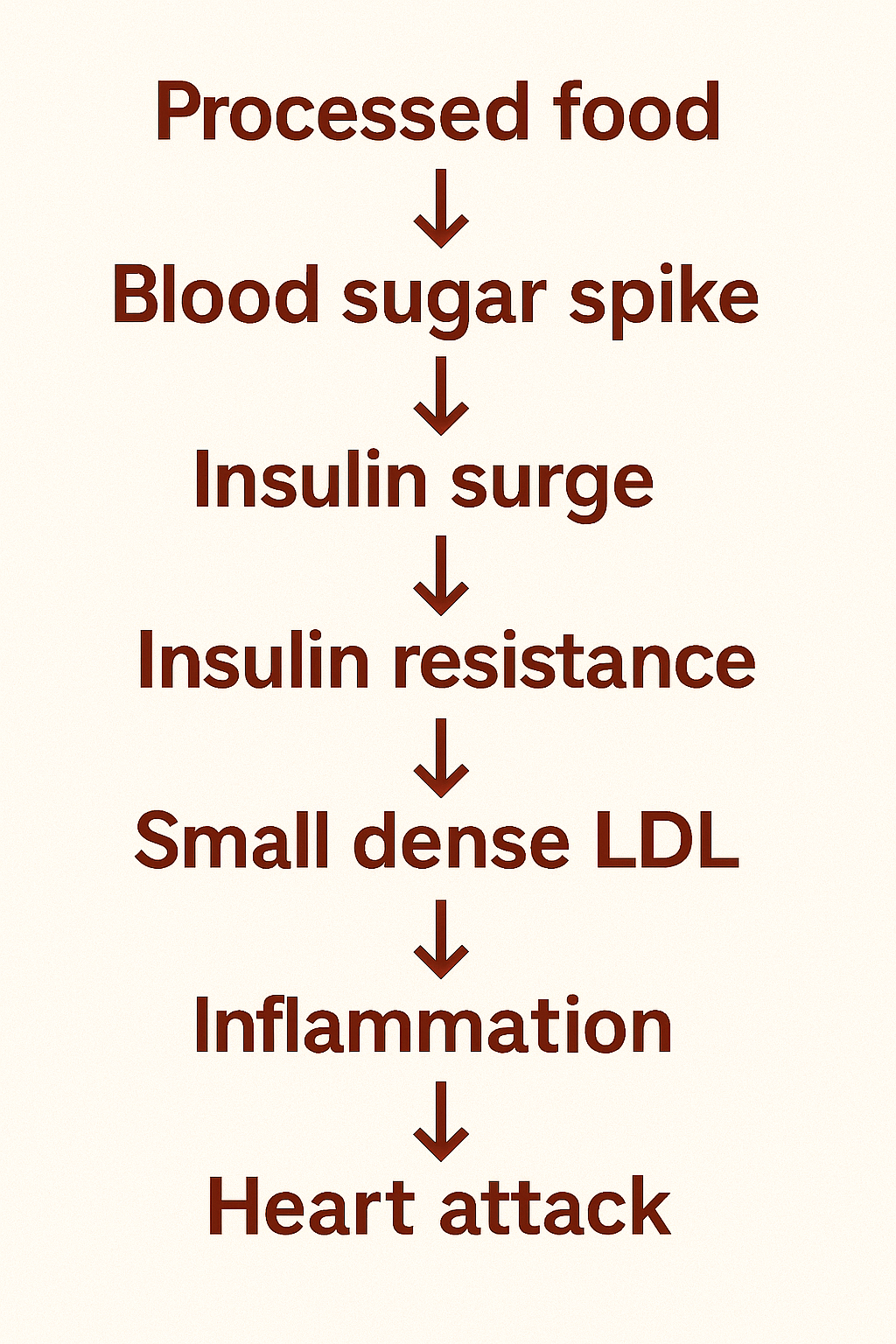
Heart Disease Cascade

Part 3: The Cholesterol Tests That Actually Matter

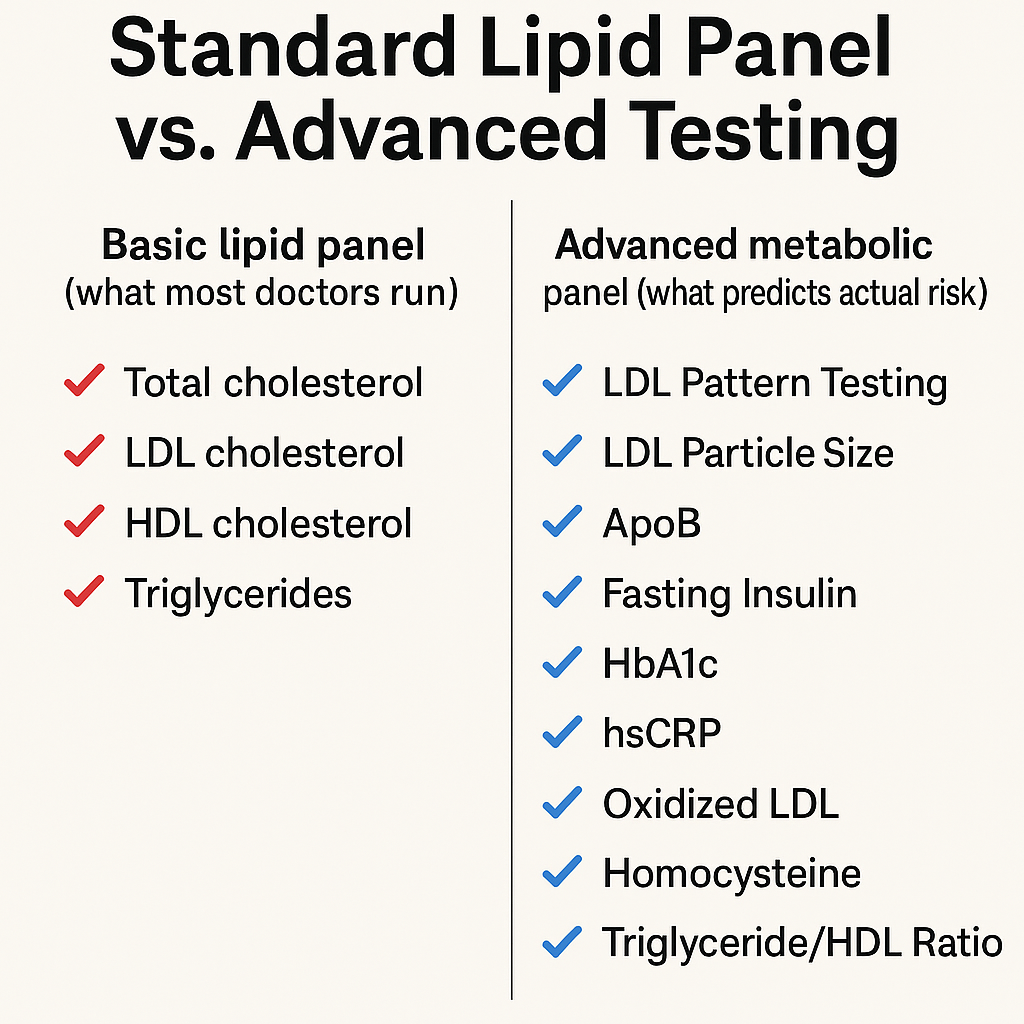
Your doctor runs a standard lipid panel:

  • Total cholesterol
  • LDL cholesterol
  • HDL cholesterol
  • Triglycerides

Here's the problem: These numbers tell you almost NOTHING about your actual risk.

What You Actually Need to Know

1. Particle Size Matters More Than Cholesterol Levels

There are two types of LDL particles:

Pattern A: Large, Fluffy LDL

  • Produced when you eat whole foods, real fats, adequate protein
  • These particles are HARMLESS
  • They don't penetrate arterial walls
  • They don't cause inflammation

Pattern B: Small, Dense LDL & VLDL

  • Produced when you eat processed foods, seed oils, sugar, excess carbs
  • These particles are DANGEROUS
  • They easily penetrate arterial walls
  • They oxidize and trigger inflammation
  • They cause atherosclerosis

Same cholesterol. Different particles. Completely different outcomes.
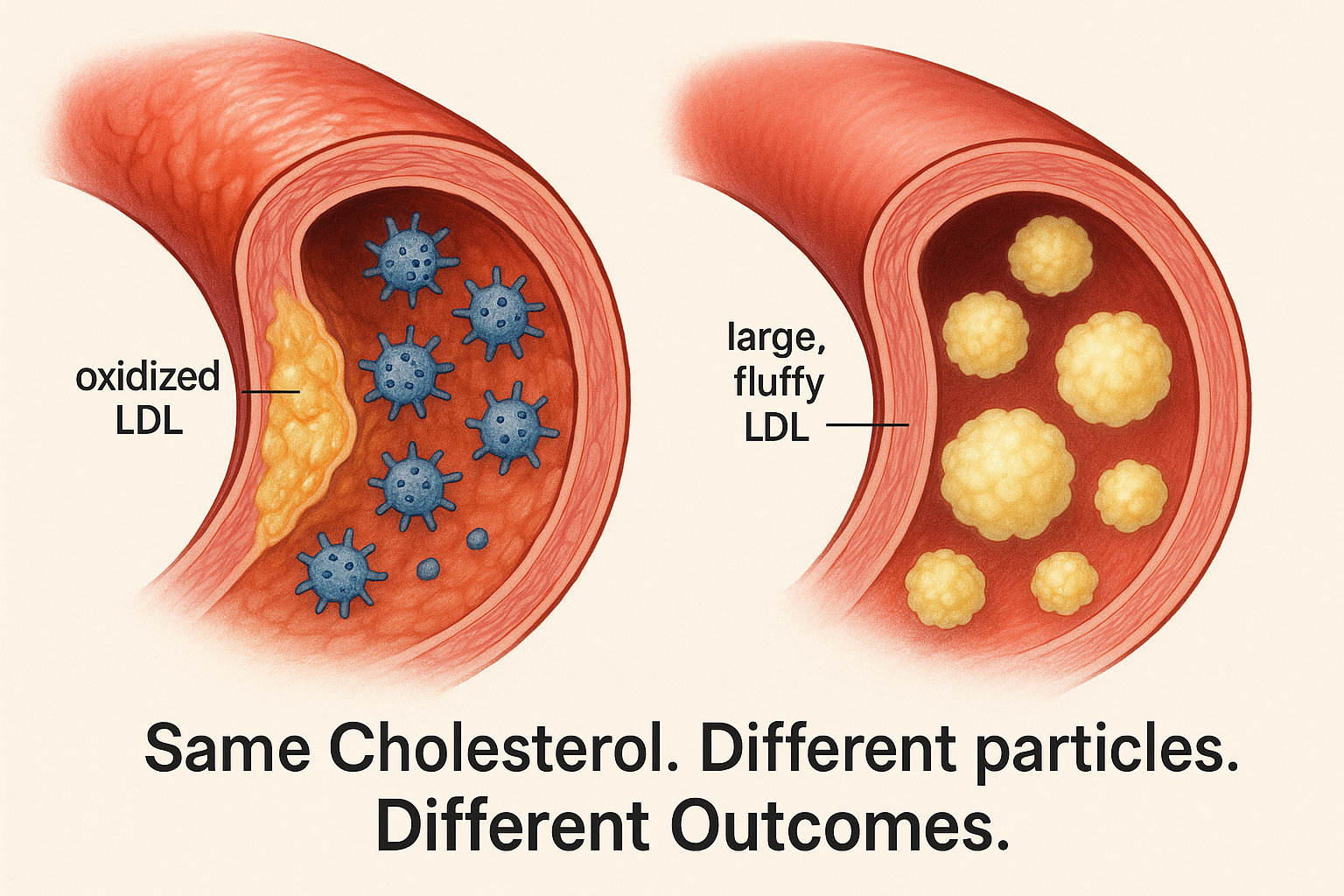
Cholesterol & Oxidized LDL

Your standard cholesterol test can't tell the difference.

The Tests That Actually Predict Heart Attacks

Ask your doctor for these:

1. ApoB (Apolipoprotein B)

  • Measures the NUMBER of atherogenic particles (small, dense LDL and VLDL)
  • This is the BEST predictor of cardiovascular risk
  • Target: <80 mg/dL (optimal), <90 mg/dL (acceptable)
  • Research: Multiple studies show ApoB is superior to LDL-C for predicting events[^13][^14]

2. Fasting Insulin

  • Measures insulin resistance
  • Target: <5 µIU/mL (optimal)
  • Elevated insulin predicts heart disease YEARS before symptoms appear[^15]

3. HbA1c (Hemoglobin A1c)

  • Measures average blood sugar over 3 months
  • Target: <5.3% (optimal), <5.7% (acceptable)
  • Every 1% increase in HbA1c increases cardiovascular risk by 18%[^16]

4. hsCRP (High-Sensitivity C-Reactive Protein)

  • Measures systemic inflammation
  • Target: <1.0 mg/L (optimal), <3.0 mg/L (acceptable)
  • Research: hsCRP predicts heart attacks independent of cholesterol[^17]

5. Oxidized LDL

  • Measures oxidative damage to LDL particles
  • This is what actually damages arteries
  • Target: <60 U/L

6. Homocysteine

  • Measures methylation and vascular health
  • Target: <7 µmol/L (optimal), <10 µmol/L (acceptable)
  • Elevated homocysteine damages arterial walls[^18]

7. Triglycerides

  • Reflects carbohydrate metabolism
  • Target: <70 mg/dL (optimal), <100 mg/dL (acceptable)
  • High triglycerides = poor metabolic health

8. Triglyceride/HDL Ratio

  • Best simple marker of insulin resistance
  • Target: <2 (optimal), <3 (acceptable)
  • Research shows this ratio predicts heart disease better than LDL[^19]
Cardio Metabolic Testing

Part 4: The Coronary Calcium Score—The Test That Sees Plaque

What Is It?

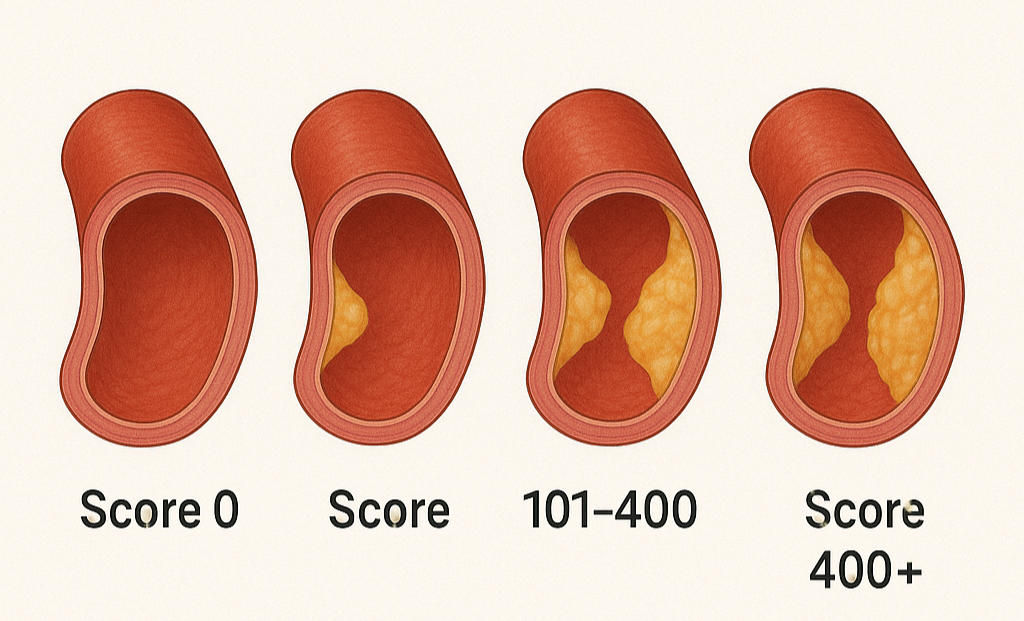
A coronary artery calcium (CAC) score is a specialized CT scan that directly visualizes calcium deposits in your coronary arteries.

Why does this matter?

Because calcified plaque = atherosclerosis = heart disease risk.

This test SEES the disease, rather than just estimating risk from biomarkers.

The Scoring System

  • 0: No plaque detected (lowest risk)
  • 1-100: Mild plaque
  • 101-400: Moderate plaque
  • 400+: Severe plaque (high risk)

Research shows:

  • A score of 0 predicts <1% risk of heart attack over 10 years[^20]
  • A score >400 predicts >20% risk over 10 years
  • CAC score predicts events better than traditional risk factors[^21]
Coronary Calcium CT Score

Who Should Get It?

  • Men over 40
  • Women over 50
  • Anyone with metabolic syndrome
  • Anyone with family history of early heart disease
  • Anyone considering statin therapy

Cost & Access

  • Cost: $75-$150 cash pay
  • Location: Most imaging centers offer it
  • Insurance: Often not covered, but worth paying out of pocket

Note for Michigan residents: You'll need a physician's order. Talk to your doctor or find a functional medicine provider who understands the value of this test.

Part 5: Inflammation—The Fire That's Burning Your Arteries

The Inflammatory Cascade

Heart disease is an inflammatory disease.

Here's how it works:

  1. Something damages your arterial lining:
    • Oxidized LDL particles
    • High blood sugar
    • Toxins (smoking, pollution, chemicals)
    • Chronic infections
    • Metabolic dysfunction
  2. Your immune system responds:
    • White blood cells rush to the site
    • Inflammation increases
    • Cholesterol arrives to patch the damage
  3. The "repair" becomes the problem:
    • The cholesterol gets oxidized
    • More inflammation
    • Plaque builds up
    • Arteries narrow
    • Blood clots form

The cholesterol was trying to HELP. But the underlying damage never stopped.

What Drives Chronic Inflammation?

Dietary Triggers:

  • Sugar and refined carbohydrates
  • Seed oils (soybean, canola, corn, safflower, sunflower, cottonseed)
  • Processed foods
  • Gluten (in sensitive individuals)
  • Excess omega-6 fatty acids

Metabolic Factors:

  • Insulin resistance
  • High blood sugar
  • Visceral fat accumulation
  • Poor gut health
  • Nutrient deficiencies

Environmental Toxins:

  • Heavy metals (mercury, lead, aluminum)
  • Pesticides (glyphosate)
  • Plastics (BPA, phthalates)
  • Mold exposure
  • Air pollution

Chronic Infections:

  • Gut infections (H. pylori, parasites, bacterial overgrowth)
  • Viral reactivation (Epstein-Barr, cytomegalovirus)
  • Periodontal disease
  • Chronic sinus infections

Lifestyle Factors:

  • Chronic stress (elevated cortisol)
  • Poor sleep
  • Sedentary behavior
  • Social isolation
  • Emotional stress

Part 6: The Action Plan—Reverse Metabolic Dysfunction Starting Today

Fix Your Food

ELIMINATE:

  • All seed oils (canola, soybean, corn, safflower, sunflower, cottonseed)
  • Refined sugar and high-fructose corn syrup
  • Processed foods and packaged snacks
  • Refined carbohydrates (white bread, pasta, cereal)
  • Artificial sweeteners

PRIORITIZE:

  • Protein: Grass-fed beef, wild-caught fish, pasture-raised poultry, eggs
  • Healthy Fats: Grass-fed butter, ghee, coconut oil, olive oil, avocado oil, tallow
  • Non-Starchy Vegetables: Leafy greens, cruciferous vegetables, colorful vegetables
  • Limited Carbohydrates: Focus on nutrient-dense sources like sweet potatoes, squash (if tolerated)

SPECIFIC STRATEGIES:

1. Adopt Time-Restricted Eating

  • Eat within an 8-10 hour window
  • Example: First meal at 10am, last meal by 6pm
  • This improves insulin sensitivity and promotes autophagy
  • Research: Improves metabolic markers including blood sugar, insulin, and lipids[^22]

2. Prioritize Protein

  • Target: 0.8-1.0g per pound of ideal body weight
  • Protein improves satiety, preserves muscle, supports metabolism

3. Eliminate Snacking

  • Constant eating = constant insulin elevation
  • Eat 2-3 satisfying meals per day
  • Let insulin levels drop between meals

4. Cook at Home

  • Restaurant food is loaded with seed oils
  • Control your ingredients
  • Use cast iron, stainless steel, or ceramic cookware

Strategic Supplementation

These are evidence-based options for cardiometabolic support:

1. Omega-3 Fatty Acids (EPA/DHA)

  • Dose: 2-4g daily (combined EPA+DHA)
  • Why: Reduces inflammation, improves lipid profile, protects against arrhythmias
  • Research: Numerous studies show cardiovascular benefits[^24]

2. Magnesium

  • Dose: 400-600mg daily (glycinate, malate, or threonate forms)
  • Why: Improves insulin sensitivity, regulates blood pressure, reduces inflammation
  • Research: Magnesium deficiency is linked to cardiovascular disease[^25]

3. Vitamin D3

  • Dose: 5,000-10,000 IU daily (test your levels)
  • Target: 50-80 ng/mL
  • Why: Reduces inflammation, supports immune function, improves metabolic health

4. Berberine

  • Dose: 500mg 2-3x daily (with meals)
  • Why: Improves insulin sensitivity, lowers blood sugar, reduces cholesterol
  • Research: Studies show effects comparable to metformin for blood sugar control[^26]
  • Note: Can lower blood sugar significantly—monitor if diabetic

5. CoQ10 (especially if taking statins)

  • Dose: 100-200mg daily (ubiquinol form)
  • Why: Supports mitochondrial function, reduces oxidative stress
  • Research: Statins deplete CoQ10; supplementation reduces statin side effects[^27]

6. Vitamin K2 (MK-7)

  • Dose: 100-200mcg daily
  • Why: Directs calcium into bones and OUT of arteries
  • Research: K2 reduces arterial calcification[^28]

7. L-Carnitine

  • Dose: 1-2g daily
  • Why: Supports fat metabolism and mitochondrial function

8. Alpha-Lipoic Acid

  • Dose: 600mg daily
  • Why: Powerful antioxidant, improves insulin sensitivity

Movement & Exercise (Ongoing)

THE GOAL: Build metabolic flexibility and cardiovascular capacity

1. Daily Movement

  • Walk 8,000-10,000 steps daily
  • Take movement breaks every hour
  • Use a standing desk

2. Resistance Training

  • 3-4x per week
  • Build and maintain muscle mass
  • Muscle is metabolically active tissue
  • Research: Resistance training improves insulin sensitivity and metabolic health[^29]

3. High-Intensity Interval Training (HIIT)

  • 2-3x per week
  • Short bursts of intense activity
  • Improves mitochondrial function
  • Research: HIIT improves cardiovascular health markers[^30]

4. Zone 2 Cardio

  • 2-3x per week, 30-60 minutes
  • Conversational pace (nasal breathing)
  • Builds aerobic capacity
    • Improves fat metabolism+

Are you ready for answers?

Track Your Progress

Retest in 90 Days:

  • Fasting insulin
  • HbA1c
  • Lipid panel (including ApoB if possible)
  • hsCRP
  • Homocysteine
  • Liver enzymes (AST, ALT)

Monitor at Home:

  • Fasting glucose (target: <90 mg/dL)
  • Blood pressure (target: <120/80)
  • Body composition (DexaFit for extremely accurate body fat analyssi)
  • Energy levels
  • Sleep quality
  • Mental clarity

Part 7: The Statin Question—Do You Need It?

The Truth About Statins

Statins are the most prescribed drug in America. Over 50 million Americans take them. The industry is worth $30 billion annually.

What statins do:

  • Lower LDL cholesterol (specifically, they reduce the NUMBER of LDL particles)
  • Reduce cardiovascular events in HIGH-RISK individuals
  • Have modest anti-inflammatory effects

What statins DON'T do:

  • Fix the root cause of your metabolic dysfunction
  • Address inflammation
  • Improve insulin sensitivity
  • Reverse arterial damage

The Side Effects They Downplay

Common:

  • Muscle pain and weakness (10-15% of patients)
  • Fatigue
  • Cognitive issues ("statin brain")
  • Digestive problems

Serious:

  • Increased diabetes risk (9-28% increased risk)31
  • Liver damage
  • Kidney problems
  • CoQ10 depletion (leading to mitochondrial dysfunction)
  • Nutrient depletion (vitamins D, A, K, E)

Rarely discussed:

  • Lowered libido and sexual dysfunction
  • Increased cancer risk with very low cholesterol
  • Cognitive decline
  • Cataracts

Who Actually Benefits From Statins?

The data shows statins provide the most benefit for:

  1. People who've already had a heart attack (secondary prevention)
  2. Men under 65 with multiple risk factors
  3. People with familial hypercholesterolemia—a rare genetic condition affecting only about 1 in 250 people (0.4% of the population)32

The data shows MINIMAL benefit for:

  • Women (especially pre-menopausal)
  • People over 75
  • People with low cardiovascular risk
  • Primary prevention in healthy individuals

The key question: Are you high-risk?

  • Have you had a heart attack or stroke?
  • Is your CAC score >100?
  • Is your ApoB >100 despite lifestyle changes?
  • Do you have diabetes plus multiple risk factors?

If YES to multiple: A statin might be appropriate AS PART OF a comprehensive plan that addresses root causes.

If NO: Focus on metabolic optimization FIRST. Retest in 90 days. Re-evaluate.

Natural Alternatives Supported by Research

Berberine:

  • Studies show LDL reduction of 20-25mg/dL26
  • Improves insulin sensitivity and blood sugar
  • No significant side effects

Red Yeast Rice:

  • Contains naturally occurring statins (monacolin K)
  • Studies show comparable effects to low-dose statins33
  • May have fewer side effects

Plant Sterols/Stanols:

  • Can reduce LDL by 10-15%34
  • Found in nuts, seeds, legumes
  • Available as supplements

Niacin (Vitamin B3):

  • Raises HDL, lowers triglycerides, improves particle size
  • Requires medical supervision (can cause flushing)

Lifestyle optimization beats any pill.

Part 8: The Functional Medicine Difference

The gap between conventional medicine and functional medicine isn't just philosophical—it's the difference between disease management and actual healing. Conventional cardiology has become a predictable assembly line: measure cholesterol, prescribe a statin, recheck in six months, increase the dose when needed, then add more medications to treat the side effects of the first ones. At no point does anyone stop to ask the most important question:

Why is this happening in the first place?

This approach keeps you dependent on the system indefinitely. You become a customer for life, not because you're getting healthier, but because the underlying problems are never addressed. Meanwhile, your cholesterol numbers might look better on paper while your actual metabolic health continues to deteriorate. It's lipid management masquerading as healthcare.

Functional medicine takes a fundamentally different approach. We start with comprehensive metabolic assessment that goes far beyond a basic lipid panel. We're measuring:

  • Fasting insulin to assess true metabolic function
  • HbA1c to understand long-term blood sugar control
  • Advanced lipid markers like ApoB and particle size that actually predict risk
  • Inflammatory markers like hsCRP that reveal what's really happening in your arteries
  • Nutrient status to identify deficiencies driving dysfunction
  • Gut health through comprehensive stool testing
  • Toxic burden from environmental exposures

From there, we identify the root causes driving your cardiovascular risk. Is it insulin resistance from years of eating processed carbohydrates and seed oils? Chronic inflammation from gut infections or food sensitivities? Nutrient deficiencies that have starved your mitochondria? Toxic exposures that have damaged your cellular machinery? Chronic stress that has dysregulated your entire hormonal system? We don't just treat numbers—we understand the biological mechanisms creating those numbers.

The intervention is personalized based on what we find. You get a targeted nutrition plan designed specifically for your metabolic state, not generic "heart healthy" advice from 1985. Strategic supplementation addresses your actual deficiencies and supports healing pathways. Lifestyle optimization isn't just "eat less and exercise more"—it's precision recommendations for stress management, sleep quality, movement patterns, and environmental cleanup that directly impact your cardiovascular system.

We monitor and adjust every 90 days. Because healing isn't linear, and what works in month one might need refinement by month three. We track both objective markers (labs, blood pressure, body composition) and subjective improvements (energy, sleep, mental clarity, exercise capacity). When something isn't working, we pivot. When progress stalls, we dig deeper.

The goal isn't lipid management—it's metabolic optimization and true disease reversal.

We're building sustainable lifestyle changes that don't just improve your numbers but transform how you feel and function. We're preventing disease before it starts rather than managing it after it's established. We're creating vitality and longevity, not just extending your pharmaceutical dependency.

This is the difference between accepting "management" and demanding actual healing. One approach keeps you trapped in a system that profits from your ongoing illness. The other gives you the knowledge, tools, and support to reclaim your metabolic health and prevent the heart attack, the stroke, the nursing home stay, and the disability that conventional medicine would have missed until it was too late.

Conclusion: Your Health Is Your Responsibility

The system is designed to manage your disease, not cure it.

Pills are prescribed. Appointments are scheduled. Revenue flows.

But you don't have to be a passive participant in your own decline.

You have the power to:

  • Understand your true metabolic health
  • Identify and address root causes
  • Make informed decisions about medications
  • Optimize your cardiovascular system
  • Prevent disease before it starts
  • Avoid becoming another disability statistic
  • Stay out of the nursing home
  • Reclaim your vitality

The truth is simple:

Heart disease and stroke are largely preventable and often reversible through:

  • Real food
  • Elimination of inflammatory triggers
  • Metabolic optimization
  • Stress management
  • Strategic supplementation
  • Consistent movement
Your genes load the gun. Your lifestyle pulls the trigger.

Stop accepting "management." Start demanding healing.

Ready to Take Control of Your Cardiometabolic Health?

You've learned the truth about what's really driving heart disease and stroke. You understand that cholesterol is just one piece of a much bigger metabolic puzzle. You know that the conventional approach of simply prescribing statins and hoping for the best isn't addressing the root causes that are destroying your cardiovascular system and putting you at risk for disability and nursing home care.

Now it's time to take action.

Our functional medicine providers specialize in comprehensive cardiometabolic assessment and personalized treatment protocols. We don't just look at your cholesterol—we run the advanced testing that actually predicts your risk and reveals what's driving your metabolic dysfunction. Then we create a customized plan to reverse the damage and optimize your health.

Working with us, you'll get:

  • Comprehensive metabolic testing (ApoB, fasting insulin, HbA1c, inflammatory markers, and more)
  • Detailed analysis of your unique root causes
  • Personalized nutrition and lifestyle protocols
  • Strategic supplementation based on your specific needs
  • Ongoing support and monitoring as you transform your health
  • A partner who's invested in your healing, not just your "management"

Schedule Your Consultation Now

Don't wait for a heart attack or stroke to take your health seriously.

The metabolic damage is happening right now, even if you feel fine. The earlier we intervene, the more we can reverse.

Click the button below to book a visit with one of our providers. We'll not only help you get the proper testing that reveals your true cardiovascular risk—we'll give you the actual steps to improve your health and prevent the disease, disability, and loss of independence that conventional medicine would have missed.

Your heart deserves better than guesswork and generic guidelines. Your future deserves more than nursing home statistics. It's time for real answers and real solutions.

References

This guide is for educational purposes only and does not constitute medical advice. Always consult with a qualified healthcare provider before making changes to your diet, lifestyle, or medication regimen. 

For Footnotes click here.

Functional Care In Person Or From The Convenience Of Your Home

Stop living with fatigue, sleep troubles, depression/anxiety, brain fog and more. Schedule a no obligation consultation with one of our doctors (yes an actual doctor) by clicking the button below. We are currently offering virtual appointments for patients from all over the country.

Start Living Your Best Life Today!
734-779-1650